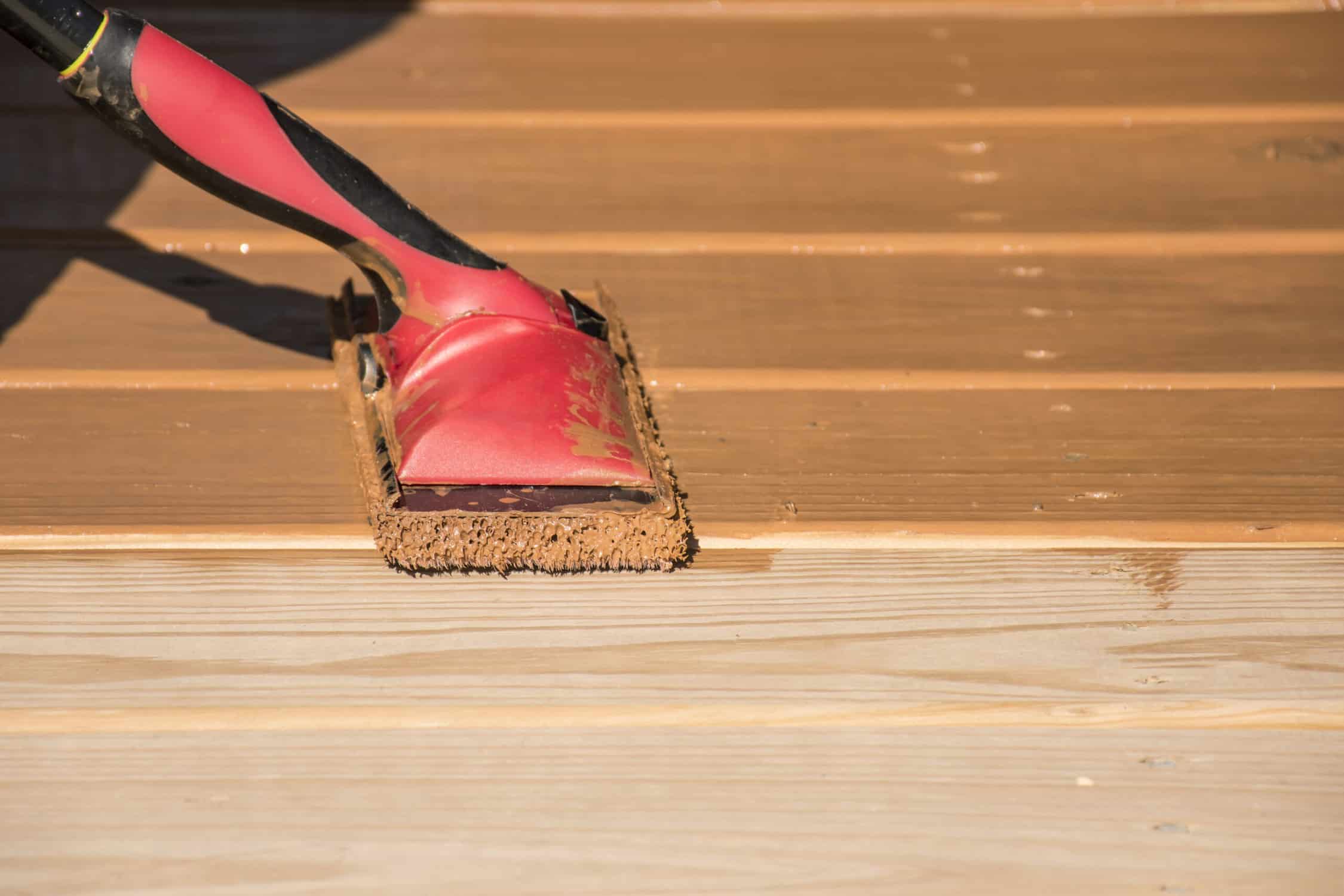
Walk out onto your deck on a warm Saturday and run your hand across the boards. If the wood feels rough and dry, or it drinks up rain like a sponge, deck staining is probably overdue. Many homeowners in Saint Charles only think about the finish once the gray, worn-out look shows up, and that is the hardest time to fix it. So how often should you stain a deck before it gets that far? The short answer: most wood decks need a fresh coat every two to three years, and our Illinois weather often pushes that toward the shorter end.
But that number surprises people. Some expect a coat of stain to last a decade. Others restain every single spring and burn through time and money for no reason. But the real timeline sits in the middle, and it depends on a few things you can check yourself in about five minutes. Here is the honest breakdown: how long a coat actually lasts, a simple test that takes the guesswork out of it, and what it costs you to put off the job.
Key Takeaways

Why Your Deck Takes a Beating Here
Your deck has one job: stand outside all year and take whatever the sky throws at it. In the Fox Valley, that is a lot.
First, summer sun bakes the boards and fades the color. Rain and melting snow soak in, then dry out, over and over. Then winter arrives. According to National Weather Service climate normals, a typical January in the Chicago area brings daytime highs near freezing and nighttime lows near 18 degrees. So the wood freezes at night and thaws by day, again and again, for months.
Each freeze-thaw cycle causes the wood to expand and contract. So tiny cracks open up. Then water sneaks in. The stain that once shielded the surface slowly gives way. That weather is the real enemy of a good-looking deck, and it never takes a year off. Your stain is the defense, but only while the coat is still doing its job.
How Often Should You Stain a Deck? It Depends on the Stain
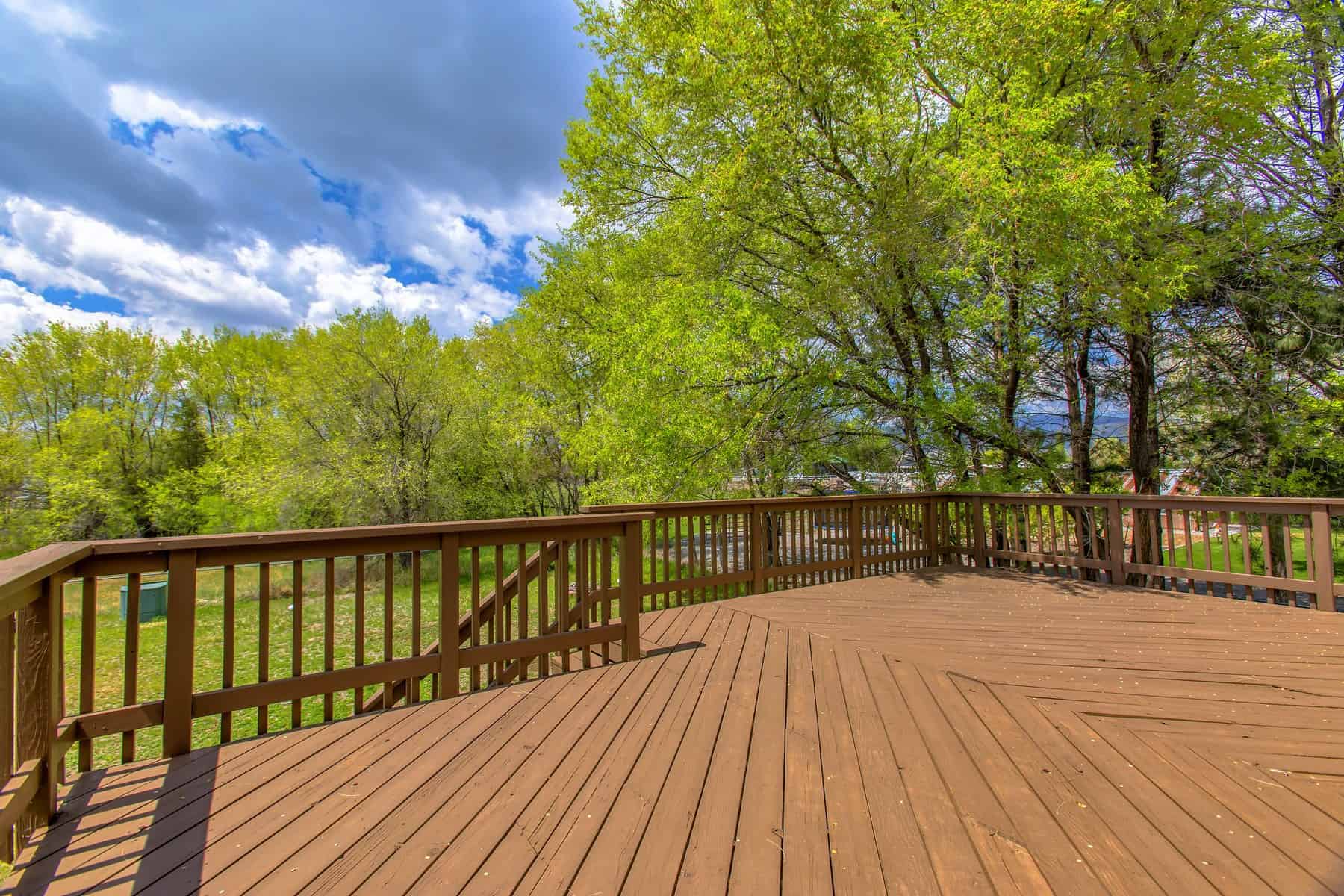
Here is the part most people get wrong. But there is no single magic number. The right schedule comes down to the kind of stain sitting on your boards.
As a rule of thumb, every two to three years for a wood deck. So, in our climate, lean toward the short end of that range for deck staining, especially on the floorboards that get full sun and foot traffic. Railings and posts shed water and stay cleaner, so they can often go a little longer between coats.
The Simple Test That Beats the Calendar
You do not need to mark dates on a wall. Your deck will tell you when it is ready, if you know what to look for.
Here is how. Grab a cup of water and splash a little on the boards. Then watch what it does. If the water beads up and sits on top, the stain is still working. If it soaks straight into the wood within a minute, the protection is gone, and it is time to restain.
So run this test in a few spots. Try near the stairs, in a sunny patch, and under a table. Now, the worn areas usually show up first where you walk the most. This one check answers the timing question better than any fixed schedule, and it costs you nothing but a splash of water.
When Is the Best Time to Stain a Deck in Illinois?
Now, timing matters almost as much as how often you do it. Stain needs dry wood and mild temperatures to soak in and cure right.
So the best window for deck staining in Illinois runs from late spring through early fall, roughly May through October, when daytime temperatures sit between 60 and 85 degrees. So a coat applied in cold or damp weather can fail to bond, peel early, and leave you redoing the whole thing. So try not to stain right after rain or right before a storm rolls in. Give the boards a couple of dry days first. If you are planning a recoat this year, aim for a stretch of clear, warm days, and you will get the most life out of every coat you put down.
What Happens When You Wait Too Long
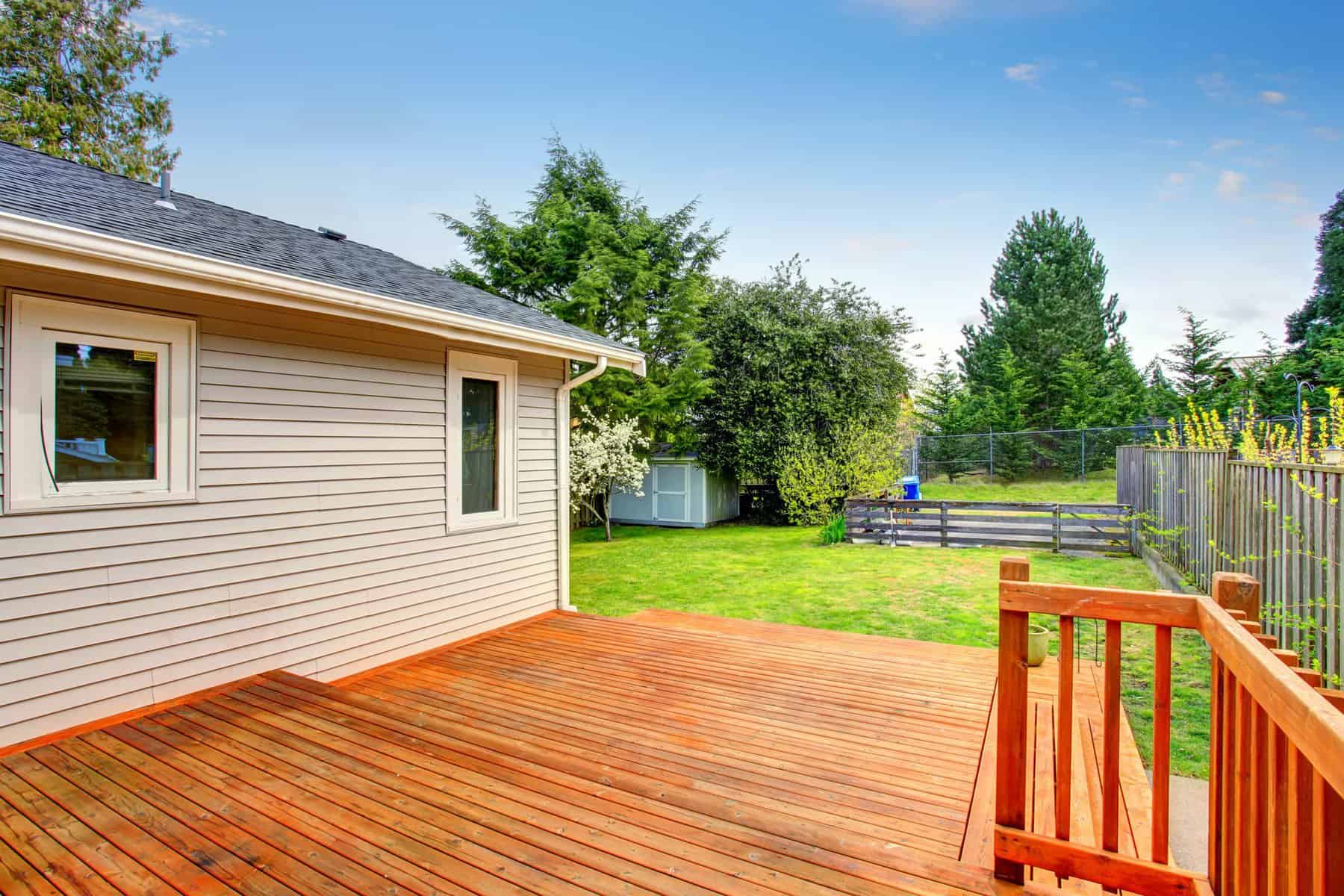
Now, skipping a recoat for a year feels harmless. The trouble builds quietly, out of sight.
First the color fades and the wood turns gray. Then the surface dries out and starts to splinter. Then cracks widen. So water gets in, and during our wet springs, mold and rot can follow. By that point, a quick stain job is off the table. The deck needs a full strip, a heavy sanding, or new boards before any new coat goes on. That means more labor, more cost, and more weekends lost to a project you did not plan for.
There is also the part nobody likes to say out loud. A worn deck nags at you. You see it every time you step outside. You put off the cookout. You think about the money you spent building it in the first place. Staining on time keeps that small annoyance quiet and keeps your deck a place you actually want to use.
A Simple Plan to Protect Your Deck
Here is the good news: keeping a deck in good shape is not complicated. It comes down to three steps.
That last step is where a lot of weekend jobs go sideways: wrong stain, weak prep, or a coat rolled on in the bad weather. So a local pro takes that risk off your plate. A&A Painting, Inc has handled decks and fences across the Fox Valley and Tri-City area for two decades. The crew inspects the wood, replaces rotten boards, sands, and preps before any stain goes down, and works with wood, vinyl, and composite decks alike. They apply Benjamin Moore and Sherwin-Williams products and back the workmanship with a one-year warranty.
As a member of the Painting Contractors Association, the team adheres to current trade standards rather than cutting corners. A&A Painting, Inc is licensed, insured, and locally owned, and offers a free color consultation so you can see your options before any work begins. That is the line between a deck that looks decent for one season and one that holds up for years.
Enjoy Your Deck Again
Your deck should be the easiest part of your home to love. When the finish is fresh and the wood is protected, the whole backyard feels different, and you stop wincing at gray, splintered boards every time you walk out the door. That is the payoff for staining on schedule instead of waiting for a problem to force your hand.