That can of paint in your garage might seem like the answer to every room refresh. Interior house painting ranks among the most popular home improvement projects. But before you grab a brush, here’s what most people miss: knowing what not to paint in your house can save you hundreds of dollars in repairs. Not every surface in your home is meant for interior house painting, and learning the difference protects both your wallet and your sanity.

Key Takeaways

  • Certain materials like wood countertops, electrical outlets, and heating elements become hazardous or damaged when painted.

  • Painting over mold, water damage, or peeling paint creates bigger problems than it solves.

  • A professional house painter knows which surfaces you shouldn’t paint versus which need special treatment.

  • DIY painting mistakes homeowners make often involve painting things you should never paint.

  • Interior painting mistakes to avoid start with understanding what not to paint in your house.

Kitchen No-Paint Zones

creating mood with house colors

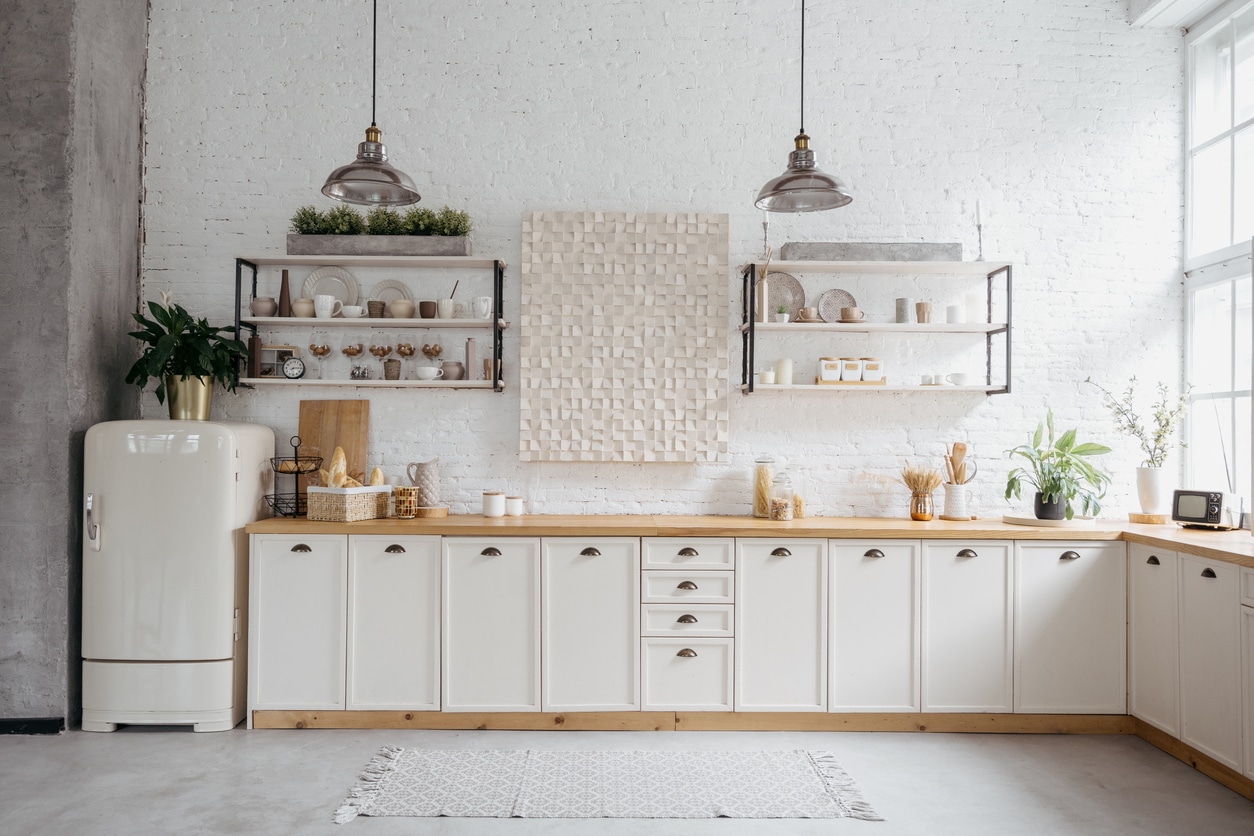
Interior house painting projects often start in the kitchen. But surfaces you shouldn’t paint are everywhere in this room:

  • Butcher block and wood countertops absorb paint unpredictably.
    The paint chips, peels, and contaminates food prep areas. Sand and re-oil worn butcher blocks instead.

  • Appliance surfaces aren’t designed for wall paint.
    Paint flakes off within weeks. Things you should never paint include refrigerator and dishwasher fronts—look into appliance-specific coatings instead.

  • Inside cabinets surprise many DIYers.
    While cabinet exteriors can be painted with proper prep, interior shelves take a beating. Paint chips end up in your dishes. A professional house painter focuses on visible surfaces that handle wear well.

Electrical and Heating Components

This category of what not to paint in your house relates to safety, not just looks. DIY painting mistakes homeowners make here can be dangerous:

  • Electrical outlets and switch plates create fire hazards when painted.
    Paint seeps into outlets and causes plugs to stick. Remove covers before painting.

  • Heating vents and radiators need heat-resistant coatings only.
    Standard interior house painting products bubble and emit fumes when heated. Interior painting mistakes to avoid include painting baseboard heaters with regular paint.

  • Smoke detectors and thermostats must stay paint-free to function.
    These are things you should never paint under any circumstances.

Bathroom Problem Areas

sheen finish for each room

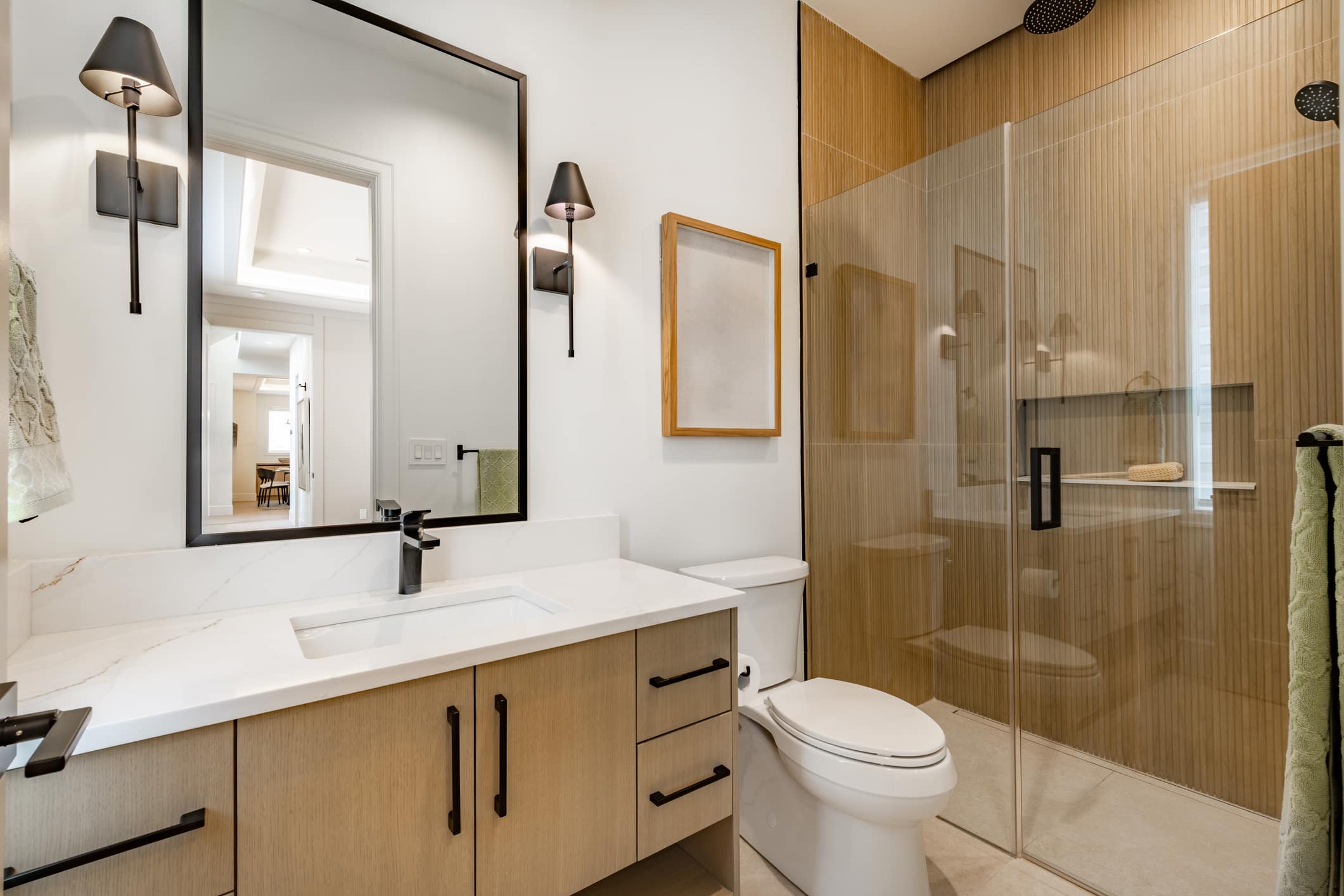
Surfaces you shouldn’t paint fill your bathroom:

  • Tile grout is among the top DIY painting mistakes homeowners make.
    Paint peels almost immediately due to moisture. Proper cleaning or re-grouting works better.
  • Fiberglass tubs need specialized refinishing kits.
    What not to paint in your house definitely includes these surfaces—standard paint peels within days.
  • Areas with active mold top the list of things you should never paint.
    Mold grows beneath paint and breaks through. Fix moisture problems first. A professional house painter spots these issues before any interior house painting begins.

Window and Door Components

Interior painting mistakes to avoid often involve windows and doors. Here’s what a professional house painter always protects:

  • Window tracks and hardware need to remain unpainted for smooth operation.
    Paint makes windows stick—a safety concern during emergencies.
  • Door hinges and locksets require masking during interior house painting.
    Paint on hinges prevents proper closing. Surfaces you shouldn’t paint include all moving hardware.

  • Weatherstripping loses flexibility when painted.
    This leads to drafts. DIY painting mistakes homeowners make often include painting these seals.

Surfaces With Existing Problems

What not to paint in your house includes anything with underlying damage:

  • Peeling paint means adhesion problems exist.
    Adding more paint creates a thicker layer that peels faster. Scraping and priming come first.

  • Water-stained areas signal ongoing moisture issues.
    Things you should never paint include water damage—the stain bleeds through. A professional house painter recommends repairs before interior house painting.

  • Bubbling wallpaper creates poor surfaces.
    Interior painting mistakes to avoid include painting over failing wallpaper. Remove it properly instead.

Why Prep Work Matters

Understanding what not to paint in your house really means understanding preparation. Things you should never paint often become paintable with correct prep.

Glossy surfaces need sanding and primer. Skipping prep creates surfaces you shouldn’t paint without professional help. A professional house painter knows when DIY painting mistakes homeowners make become too costly to fix.

Bare wood requires primer to prevent tannin bleed-through. Interior painting mistakes to avoid include skipping this step on wood trim and doors.

The Professional Difference

A professional house painter brings more than knowledge about what not to paint in your house. They bring proper protection for your home.

Quality crews cover and protect furniture, carpets, and flooring throughout every job. This prevents damage during interior house painting and keeps your home clean.

Professional interior house painting also means insurance coverage. Any accidents during the project won’t cost you extra. Surfaces you shouldn’t paint get identified before work starts.

Get Your Project Done Right

Things you should never paint don’t have to derail your plans. Whether you have questions about surfaces you shouldn’t paint or you’re ready for professional interior house painting, A&A Painting, Inc helps Geneva, IL homeowners get it right.

Our team handles prep work, covers and protects your furniture and carpets, and knows every interior painting mistakes to avoid. Call (630) 874-0072 today for a free estimate. Let’s make sure your painted surfaces look great for years.