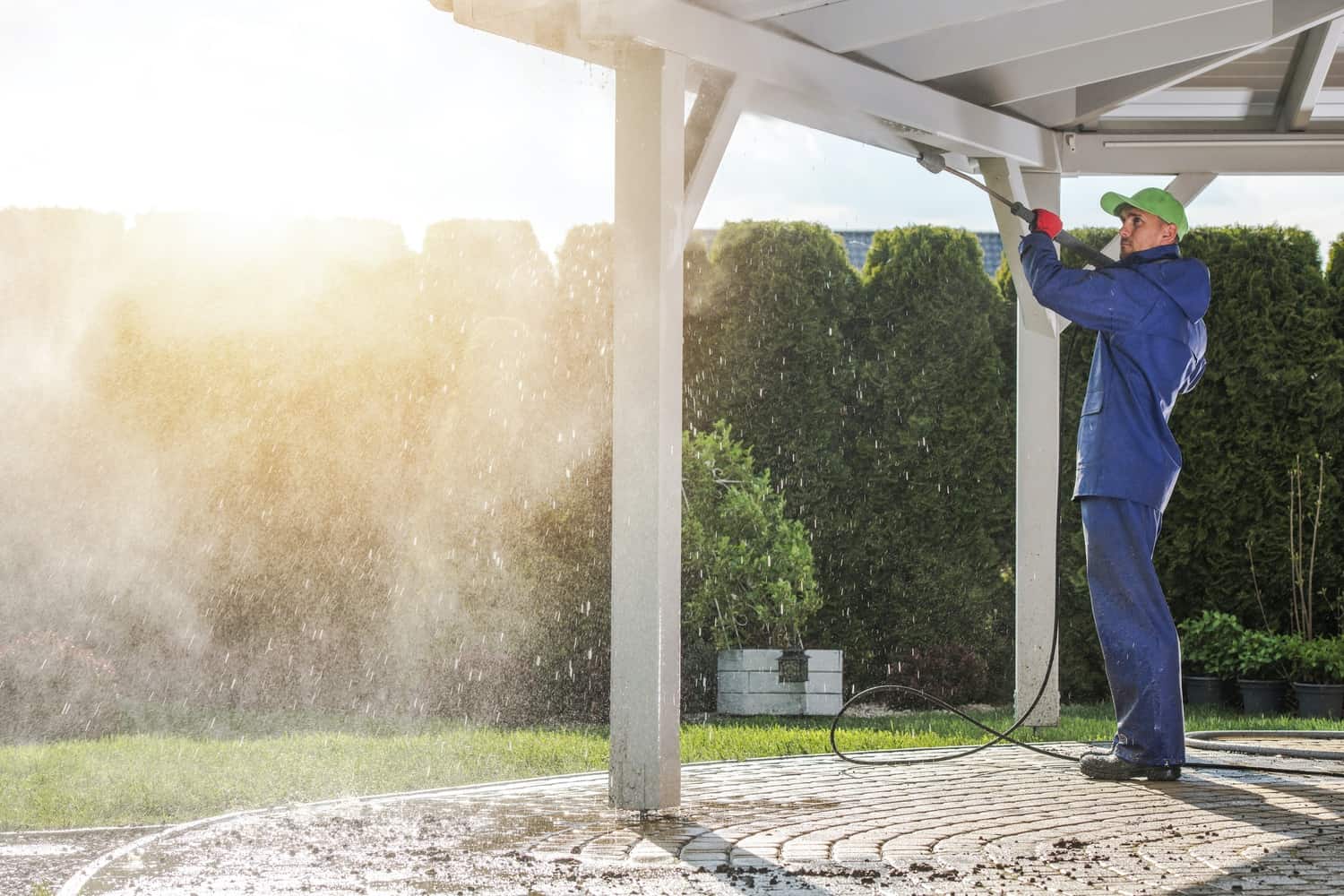
Thinking about a pressure wash before painting, or just cleaning up your siding before summer? A pressure wash before painting can help a fresh coat last years longer, but the wrong approach can crack siding and void a warranty in minutes. So how often should you pressure wash your house? Most articles hand you a quick number and stop there. But the honest answer has less to do with the calendar and more to do with how the cleaning gets done. For homeowners in Geneva, IL, that difference can mean the difference between a clean, protected home and an expensive repair.
Key Takeaways

The Short Answer on How Often to Wash
For most homes in the Fox Valley, once or twice a year is enough. A spring wash clears off winter grime. And a fall wash removes pollen, dust, and the green film that builds up on shaded walls. You might hear it called power washing too, but the advice does not change. Homes under heavy tree cover or near busy roads may need a little more. Commercial buildings with foot traffic often need monthly cleaning to stay presentable.
So that is the baseline. But the calendar is the easy part. The harder, more useful question is how the wash is done, because that is where homes get damaged or protected.
How Often Should You Pressure Wash Your House Without Damage?
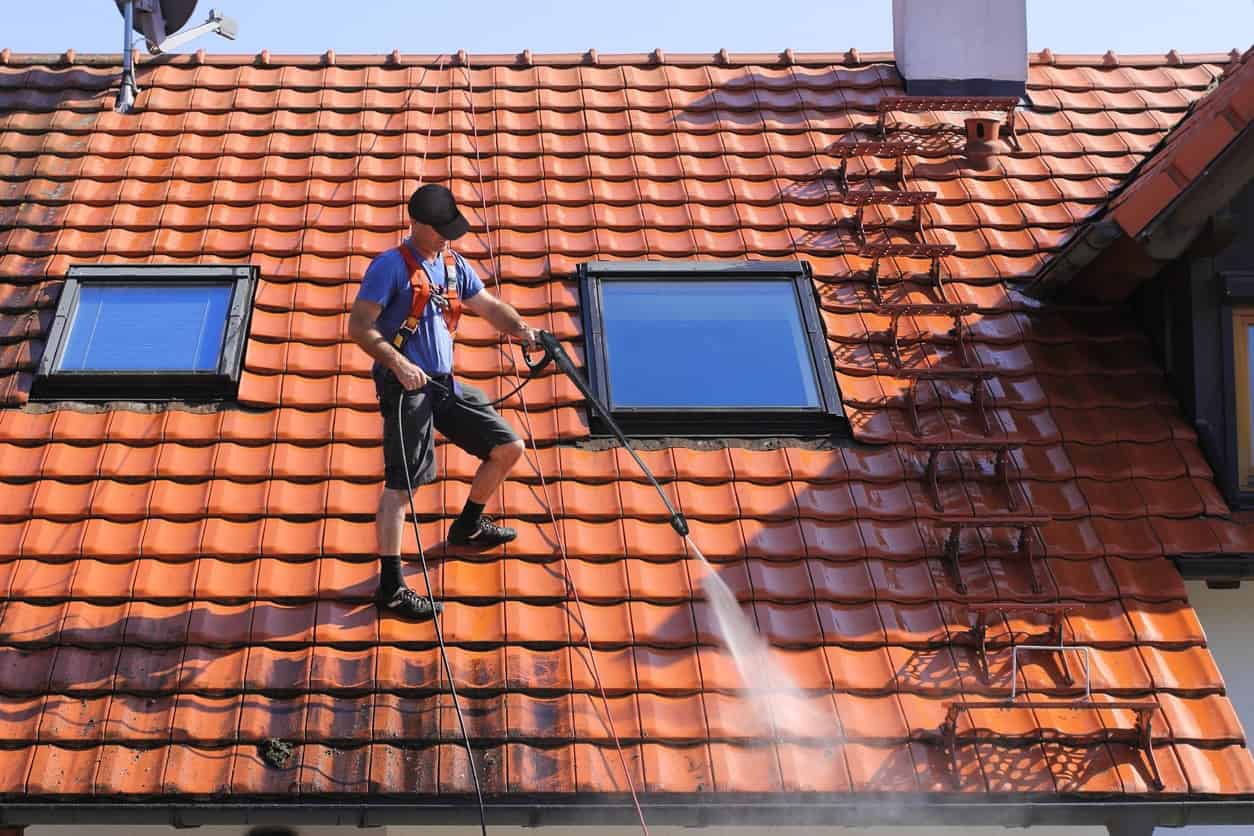
Here is the part most articles skip. Pressure is measured in pounds per square inch, or psi. And siding has limits. James Hardie makes the fiber cement siding found on many Geneva homes. The maker says to keep pressure under 1,500 psi. So use a wide fan tip, and stay at least six feet from the wall. According to James Hardie’s own cleaning advice, a low-pressure garden hose and a soft brush handle most jobs. Go higher, and you risk gouging the surface or driving water behind the panels. Worse, damage from improper cleaning may not be covered by the warranty.
Now compare that to the tools. Many store-bought pressure washers run at 2,000 to 3,000 psi. So that is double the safe limit for fiber cement. The same machine that cleans a concrete driveway can scar your siding if no one adjusts it.
So can pressure washing damage siding? Yes, when the pressure is wrong, or the nozzle sits too close. Pressure washing vinyl siding at full blast can crack or warp the panels. And on fiber cement, it can strip the painted finish you paid for.
When Soft Washing Beats Pressure
Not every surface wants high pressure. So this is where soft washing earns its place. Soft washing uses low pressure, often near 100 psi. And it pairs that low pressure with cleaning solutions that lift mildew and algae. It works well on vinyl siding, painted wood, stucco, and older trim that a strong spray would split.
So the real choice is not soft washing vs pressure washing as a turf war. A skilled crew uses both. They match the method to the material. Because concrete and brick can handle real pressure, while vinyl siding and fiber cement need a gentler touch. Knowing the difference keeps your home clean and intact.
The Best Time to Pressure Wash a House
Timing matters as much as frequency. The best time to pressure wash a house is a mild, dry stretch when walls can fully dry afterward. In Geneva, late spring through early fall fits well. So avoid washing right before a cold snap or a run of rainy days.
But why does drying matter so much? Because trapped moisture causes problems. If you plan to paint, the surface has to be bone dry first. Sherwin-Williams notes that a surface must be clean and dry for paint to stick. And the company advises against painting right after rain, or when temperatures fall below 50 degrees. So wash on a Saturday, and a fresh coat may need to wait a few days.
Pressure Wash Before Painting: Why Prep Comes First
If a new exterior color is on your list, the wash is not optional. A pressure wash before painting strips away chalk, dirt, mildew, and loose flakes that stop paint from bonding. Skip it, and even the prettiest paint can peel within a season or two.
So think of it this way. Paint is only as good as what’s beneath it. Because a clean, sound surface gives the new coat something to grip. And a dirty one gives it an excuse to fail. So careful painters treat washing as the first step of the paint job, not a chore to rush.
How a Seasoned Crew Approaches the Job
Here is where a local pro changes the math. Before any water hits the wall, a good crew runs a quick inspection. They check the siding type, look for cracks or loose caulk, and set the right pressure and nozzle for each surface. Because wood, vinyl, aluminum, stone, and cement each call for a different setting.
So that plan is the difference between a clean home and a repair bill. A&A Painting, Inc uses this surface-by-surface approach. And the crew leans on soft washing where high pressure could do harm. They also back the work with a one-year workmanship warranty. As a member of the Painting Contractors Association, the crew follows current safety and prep standards. So you get a clean exterior and a surface ready for paint, without gambling on a rented machine.
What This Means for Your Home
Skip the wash, and dirt and mildew keep working at your paint and siding. But push too hard with a rented machine, and you trade a little dirt for cracked panels and a voided warranty. Neither outcome fits the place you live in. A little planning now saves you from stripped paint, hidden water damage, and a costly repair.
But get it right, and the payoff is simple. Your siding stays clean. And your paint lasts longer. So your home keeps its curb appeal through every Illinois season. And you spend the weekend relaxing instead of repairing.