Interior painting in Geneva, IL, looks simple until the paint dries. You taped the trim, rolled on two full coats, and let it set. Then you stepped back. The walls looked patchy, streaky, or darker in some spots than others.

If you are searching for how to fix uneven paint color after drying, this post walks through why it happens and what actually corrects it. The finish is not ruined. But how you approach the fix matters.

Key Takeaways

  • Uneven paint color after drying is most often caused by skipping primer or applying coats too thin.
  • Lap lines and roller marks form when the paint dries too quickly between sections.
  • Knowing how to fix uneven paint color after drying starts with finding the root cause, not just adding another coat.
  • Interior painting in Geneva, IL requires adjusting for local surface types and seasonal humidity.
  • A professional house painter addresses the root cause, not just the visible symptom.
  • An interior painter can restore a clean, even finish without starting from scratch in most cases.
  • Interior house painting done right starts with preparation, long before the first coat goes on.

Why Your Paint Looks Uneven After It Dries?

Paint can look smooth and even as it goes on the wall. Then it dries, and the problems appear.

This is one of the most common outcomes in interior painting in Geneva, IL. Many homeowners spend a full weekend on a project and end up with a finish that does not look the way they expected.

Here are the most common causes:

  • Skipping primer. Without primer, paint soaks into the surface at different rates. Some spots absorb more than others. The result is a blotchy, uneven look that additional coats rarely fix on their own.
  • Applying paint too thin. Thin coats dry unevenly, especially on porous or textured walls. A single thin coat rarely covers a surface with consistent color.
  • Rolling too fast. When the roller moves too quickly, ridges and texture get locked in as the paint dries. Speed is one of the most common causes of visible roller marks.
  • Letting edges dry before connecting the next section. This is how lap lines form. Painting over a dried edge leaves a darker band across the wall.

These are common application errors. Painting over them without correcting the surface tends to hide the issue briefly. The problem usually becomes more visible with time.

How to Fix Uneven Paint Color After Drying?

Extend Your Interior Paint

Here is a practical approach to fixing uneven paint color after drying on interior walls.

  • Step 1: Wait for the paint to cure fully. Give the paint at least 24 to 48 hours before doing anything. Satin and eggshell finishes can look uneven while still curing. Assess the wall only after it has fully dried.
  • Step 2: Sand the problem areas lightly. Use 220-grit sandpaper on ridges and roller marks. Short, light strokes produce better results than heavy pressure. After sanding, wipe the wall with a clean, damp cloth and let it dry fully.
  • Step 3: Prime the area before repainting. This is the step most DIYers skip. Applying primer levels the surface so the new coat lies flat and even. Without it, the same inconsistency is likely to return.
  • Step 4: Roll with consistent speed and pressure. Work in sections you can manage without rushing. Keep a wet edge at all times. Do not let one section dry before connecting it to the next. This is the most reliable way to prevent new lap lines.
  • Step 5: Apply a full second coat. Let the first coat dry completely. Then apply a second coat using the same technique. Two even coats produce more consistent color than three coats applied without control.

This process works well when the issue is limited to a few areas. If uneven color covers most of the room, a complete repaint is often more practical than patching section by section.

One more point worth noting: how to fix uneven paint color after drying gets harder on walls repainted many times. Old layers affect how new paint absorbs. A professional house painter can determine quickly whether the wall needs stripping or just sanding and priming.

When to Call an Interior Painter?

There is a point where fixing the problem yourself costs more in time and materials than hiring someone who can do it correctly.

That point tends to come when:

  • Uneven color spans most or all of a room.

  • Additional coats have been applied, and the wall still looks inconsistent.

  • The surface is peeling, bubbling, or cracking, which can point to a moisture or adhesion issue.

  • You want interior painting in Geneva, IL, done correctly without another attempt.

An experienced interior painter does not just apply more paint. They evaluate the surface, identify the cause of the inconsistency, and correct it before any new coat is applied.

Interior house painting done by a professional house painter starts before the first coat. It involves cleaning, sanding, priming, and choosing the right product for the specific surface. Surface preparation determines whether the color applies evenly and holds over time.

What Interior Painting in Geneva, IL Actually Involves?

Interior painting in Geneva, IL, is not a uniform process across all homes. Older properties often have plaster walls that absorb paint differently from newer drywall. That difference affects primer selection and the number of coats needed.

Here is what each surface type requires:

  • Plaster walls typically require a bonding primer and, in some cases, a skim coat repair before any topcoat is applied.
  • New drywall is highly porous. Without a full prime coat, paint absorbs unevenly, no matter how many finish coats follow.
  • Previously painted walls need cleaning and light sanding so new paint bonds to the surface correctly.

A skilled interior painter evaluates the surface type before selecting any products. Matching preparation to the surface is what produces a finish that holds its color and sheen over time.

Interior house painting in this area also involves managing seasonal humidity. Paint applied in high-humidity conditions dries more slowly. It can trap moisture beneath the surface. A professional house painter accounts for these conditions when planning the work.
interior painting matte vs glossy paint How to create a cohesive color scheme in home?

Whether you have one room or several to address, interior painting in Geneva, IL, produces consistent results when preparation comes first.

If you are still searching for how to fix uneven paint color after drying, and the same problems keep returning, the root cause is almost always preparation, not the paint brand or color.

What Your Walls Can Look Like?

A room that did not turn out as expected is a frustrating outcome, especially after a full weekend of work. Some homeowners feel uncertain about whether to try another fix themselves or hire someone. Not knowing which option will actually resolve it is a reasonable place to be.

Interior house painting involves more variables than most people expect. The surface type, humidity, primer, and application technique all affect the final result.

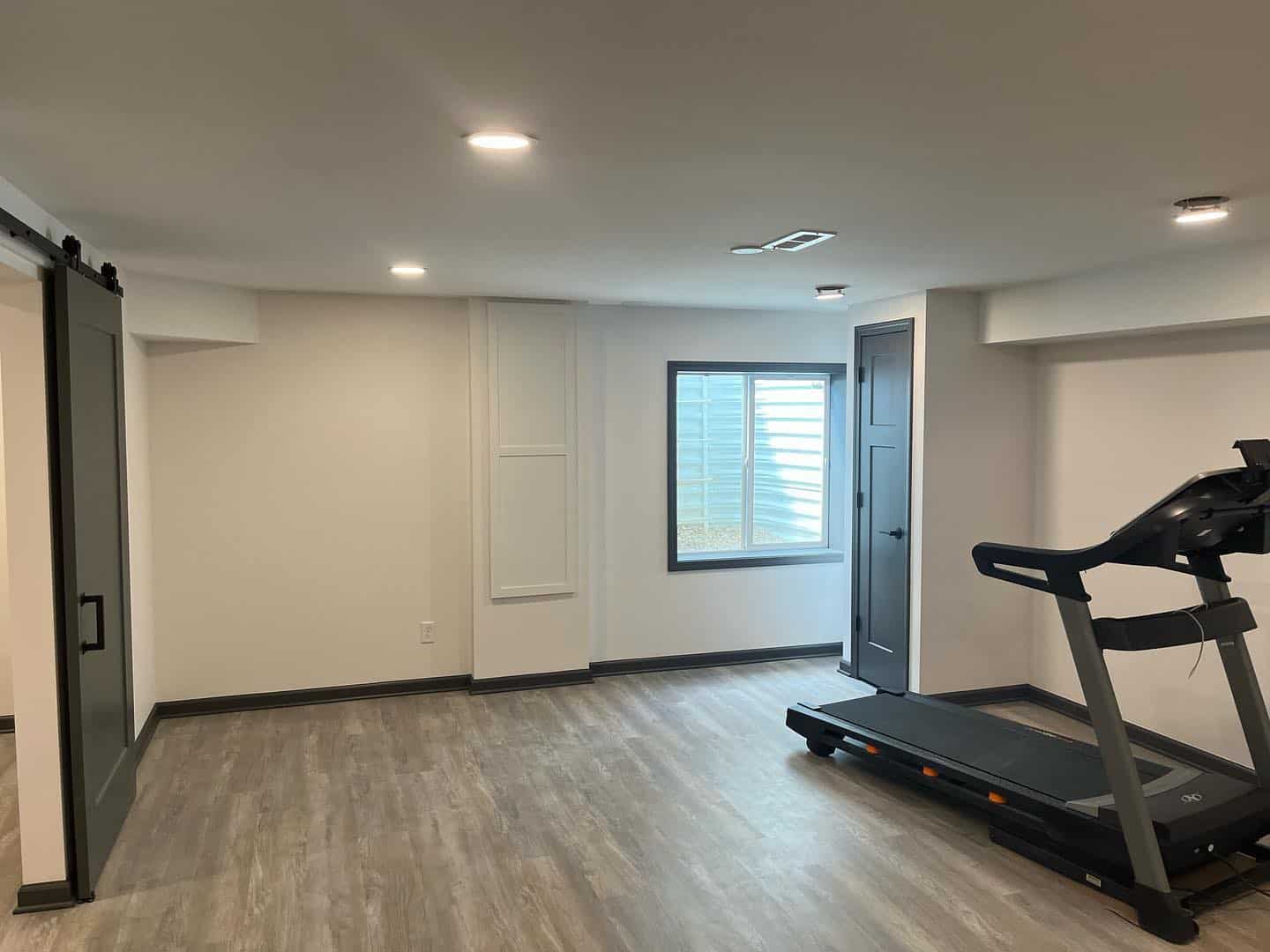
What a properly finished room looks like is different. The color is consistent. The sheen is uniform. There are no roller marks that draw attention to any section of the wall. The room looks the way you intended it to from the start.

That is the result of a skilled interior painter. And it is the standard your home deserves.

rental property painting in saint charles interior house painting preparation, sustainable painting practices, interior house painting in winter

Get a Consistent Finish on Your Interior Walls

A&A Painting, Inc works with homeowners throughout Geneva, IL who want interior painting done right the first time. If you are still dealing with how to fix uneven paint color after drying and want a finish that holds, A&A Painting, Inc assesses the surface, identifies the cause, and corrects it from prep through the final coat.

No shortcuts. No skipped steps. Just interior house painting done by a professional house painter who holds the work to a clear standard.

Call (630) 874-0072 to schedule a free estimate. There is no obligation. You get an honest assessment of what your walls need and a clear path to getting there.